
Who does society really care about? Who gets left behind? – WIN Worldviews Survey
Jul
An article relating to gratitude, preparation, inclusion, and opportunities.
Pisang emas dibawa belayar,
Masak sebiji di atas peti;
Hutang emas boleh dibayar,
Hutang budi dibawa mati.
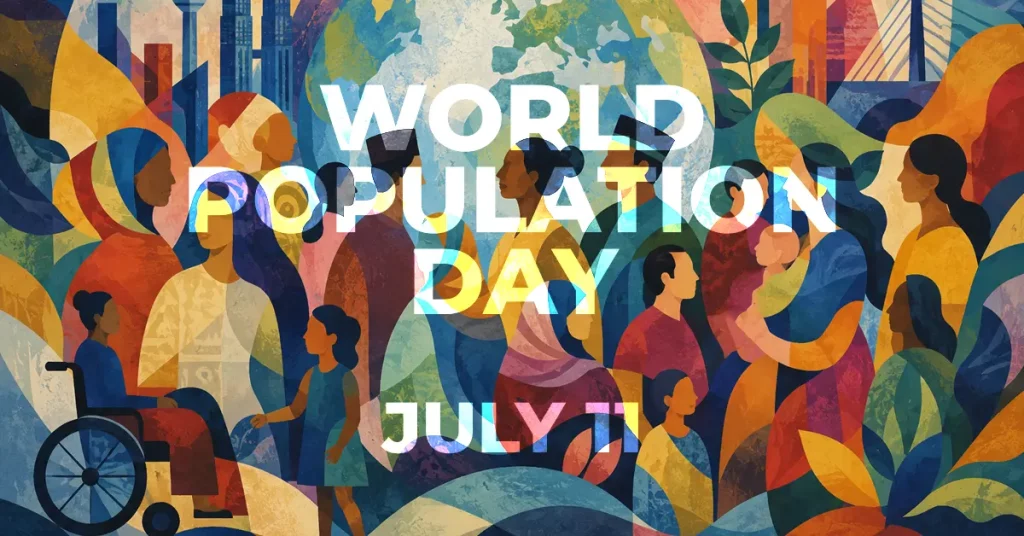
Generations of Malaysians have grown up learning this timeless pantun (Malay poetry). While material debts can always be repaid, a debt of kindness, sacrifice, and love is one that stays with us throughout our lives. It is a gentle and timely reminder today on July 11, during World Population Day that the true measure of our character, and perhaps our society, lies not only in what we achieve, but in how we honour and care for one another.
World Population Day invites us to look beyond population figures and consider the people behind the statistics. While often associated with population growth and demographic trends, the occasion also encourages conversations about human rights, family planning, cultural diversity, and sustainable implementation of policies and actions for the betterment of communities and society.
What kind of society are we becoming, and what kind of society do we want to be?
We often measure the progress of a nation through economic growth, rising incomes, infrastructure development, and other indicators of prosperity. While these measures tell us how economies perform, they reveal far less about how societies care for the people within them.
A truly healthy society is not defined solely by economic success, but also by how well it supports those who are most vulnerable. The strength of a community is reflected not only in its wealth, but in how its people perceive the care, dignity, and opportunities afforded to older adults, young people, and people with disabilities.
New global findings from the Worldwide Independent Network of Market Research (WIN) suggest that confidence in this social contract is weakening. Across 45 countries, most people believe society is falling short in supporting the elderly, the youth, and those with disabilities, raising important questions about inclusion, social responsibility, and the future we are collectively building.
The Elderly: Who will care for those who once cared for us?
Among the many findings from the WIN Worldviews Survey, we draw on an interesting observation that stands out: a comparatively larger proportion of respondents in China believe they are doing enough to care for its elderly population. While perceptions of social support are shaped by many factors, including policies, economic conditions, and access to services, the finding also invites a deeper conversation about the values societies place on caring for older generations. Across many Asian cultures, the responsibility of caring for our elders has long been deeply rooted in family and societal values. In Chinese culture, the concept of 孝 (xiào), often translated as filial piety, represents far more than simply respecting one’s parents. It embodies the values of gratitude, responsibility, and the lifelong appreciation of those who sacrificed and paved the way before us.
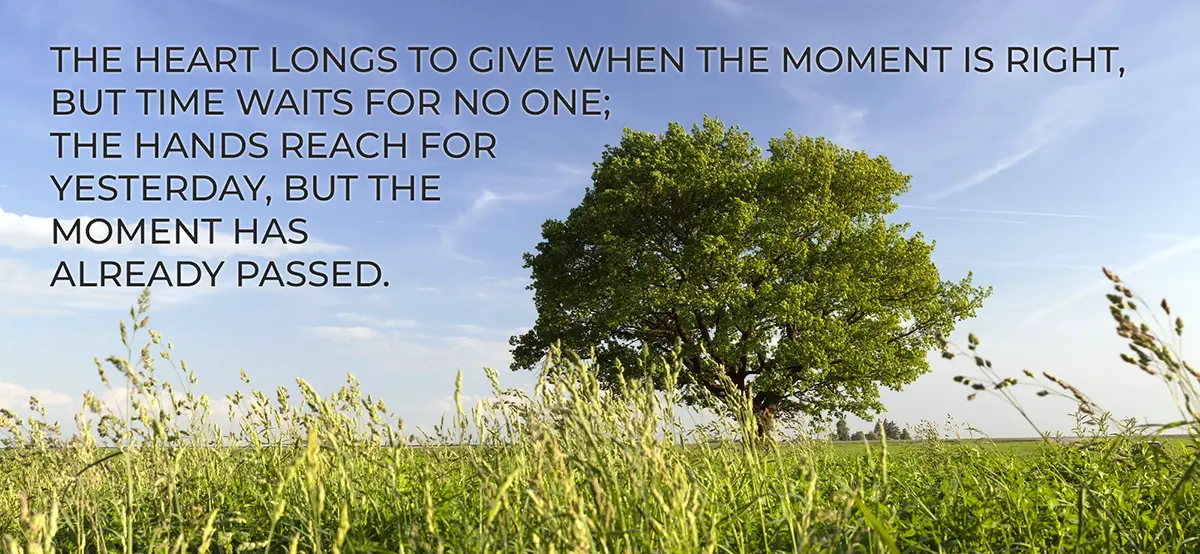
The age-old Chinese saying, “树欲静而风不止,子欲养而亲不待,” reflects the painful reality that “while a tree may wish to remain still, the wind continues to blow, and by the time children wish to care for their parents, their parents may no longer be there to receive that love and care.”
This resonates with many of us at a time when societies evolve, families become smaller, lifestyles become increasingly fast-paced, and populations age. An important question emerges: are we, as societies, doing enough to care for those who once cared for us? Or do modern circumstances sometimes make it harder for us to provide the care and attention we hope to give?
The Youth: Are we preparing them for a world that no longer exists?
Every generation inherits a world shaped by those before them. Yet each generation also faces challenges that previous generations could never have imagined. For today’s youth, the transition into adulthood is taking place in a world defined by rapid technological advancement, shifting economic realities, and changing expectations of work and success. The skills that once guaranteed stability may no longer be enough, while new opportunities often require adaptability, creativity, and the ability to continuously learn. The WIN Worldviews Survey reveals another important concern: 56% of respondents globally believe society is not doing enough to support young people. This sentiment raises a deeper question relating to relevance. Are we truly preparing the next generation for the world they are entering, or are we continuing to equip them for a world that no longer exists? Education has traditionally been measured through academic achievement and qualifications. While these remain important, the challenges of today require more than knowledge alone. Young people must also develop critical thinking, emotional resilience, digital and AI literacy, and the ability to navigate uncertainty. At the same time, young people are growing up in an environment shaped by constant connectivity. Social media has created new opportunities for expression and connection, but it has also introduced challenges such as unrealistic and unhealthy comparisons, peer pressure, information overload, and concerns around mental well-being. Supporting young people is therefore not simply about creating more opportunities. It is about understanding the realities they face and ensuring they have the confidence, skills, and support systems needed to navigate an increasingly complex world.
The Disabled: Accessibility is more than ramps and railings
A society’s progress is often reflected in the spaces it creates and the opportunities it provides. Yet true inclusion is not only about whether people can physically enter a building, access a facility, or move through public spaces. It is about whether they are able to fully participate, contribute, and feel valued within the communities they live in. Similar to the earlier concerns surrounding the elderly and youth, the WIN Worldviews Survey highlights that 57% of respondents globally believe society is not doing enough to support people with disabilities. This perception suggests that inclusion remains a broader challenge, extending beyond physical accessibility into areas such as employment opportunities, social participation, technology access, and public attitudes. Accessibility is often associated with ramps, elevators, and barrier-free facilities. While these remain important foundations of an inclusive society, truly meaningful inclusion requires more than infrastructure alone. It requires recognising the abilities, aspirations, and contributions of people with disabilities, while creating environments where they are not defined by limitations but empowered by opportunities. We take a moment to give thanks to the innovative minds who have driven technological advancements and created new possibilities for greater independence and participation. From assistive technologies to more accessible digital platforms, innovation can help reduce barriers that once restricted opportunities. However, these benefits can only be realised when accessibility is considered not as an afterthought, but as part of how societies are designed from the beginning, across the design and development process. Malaysia, like many countries, has made progress in improving accessibility and awareness. Yet the journey towards inclusion continues. A truly inclusive society is not one where people are simply allowed to enter a location, but one where everyone has the opportunity to participate fully, contribute meaningfully, and be recognised as an essential part of society.
Age Discrimination: Retire? How about refire? Finding new purpose through lifelong learning
Longer life expectancy, in part due to better healthcare and improved quality of life, is one of humanity’s greatest achievements. As the years go by, some older adults may find themselves confronting a different challenge. Despite decades of accumulated knowledge, experience, and contribution, they may encounter assumptions about their abilities, face fewer opportunities, or feel increasing pressure to remain relevant in a rapidly changing world. It used to be: Education → Career → Retirement. It is now increasingly clear that we are moving towards: Education → Career → Continuous learning (upskilling) → New career chapters → Lifelong contribution. While perceptions differ across countries, respondents in places such as Norway, Denmark, and Japan were less likely to view age discrimination against older adults as a serious issue. Although many factors may contribute to these differences, they invite reflection on how workplace culture, lifelong learning opportunities, social policies, and attitudes towards ageing may shape public perceptions. Many countries have increasingly recognised that longer working lives require opportunities for continuous learning. Initiatives that encourage lifelong learning, digital skills development, and flexible employment can help older adults continue contributing with confidence, while also challenging assumptions that age and adaptability cannot coexist.
The true measure of society
The WIN Worldviews Survey reminds us that behind every percentage is a person. An older adult hoping to remain valued. A young person preparing for an uncertain future. A person with disabilities seeking equal opportunities. Communities trying to build a society where everyone has a place to belong and feel valued.
Every generation inherits a society from the one before it and leaves one behind for the next. We like to believe that each generation builds a world with greater opportunities than the last. Yet progress is not measured solely by what we create, but also by how we care for one another, how we honour those who came before us, and how we prepare those who will come after us.
We invite you to download and explore the WIN Worldviews Report for 2026 World Population Day.
Economic indicators tell us how countries perform. Population statistics tell us how societies are changing. Research helps us understand how society as a whole experiences those changes. But perhaps one of the simplest ways to understand how a society is doing, alongside reports and charts, is through the smiles of its people.