Consumer spending in Malaysia is often interpreted too simply. When spending slows, it is assumed that consumers are pulling back. When sales events perform well, it is assumed that demand is strong. The reality is more nuanced. Recent findings from Central Force’s nationwide consumer studies show that Malaysian consumers are still spending, but they are […]
Author Archives: cf7_nicetomeetyou
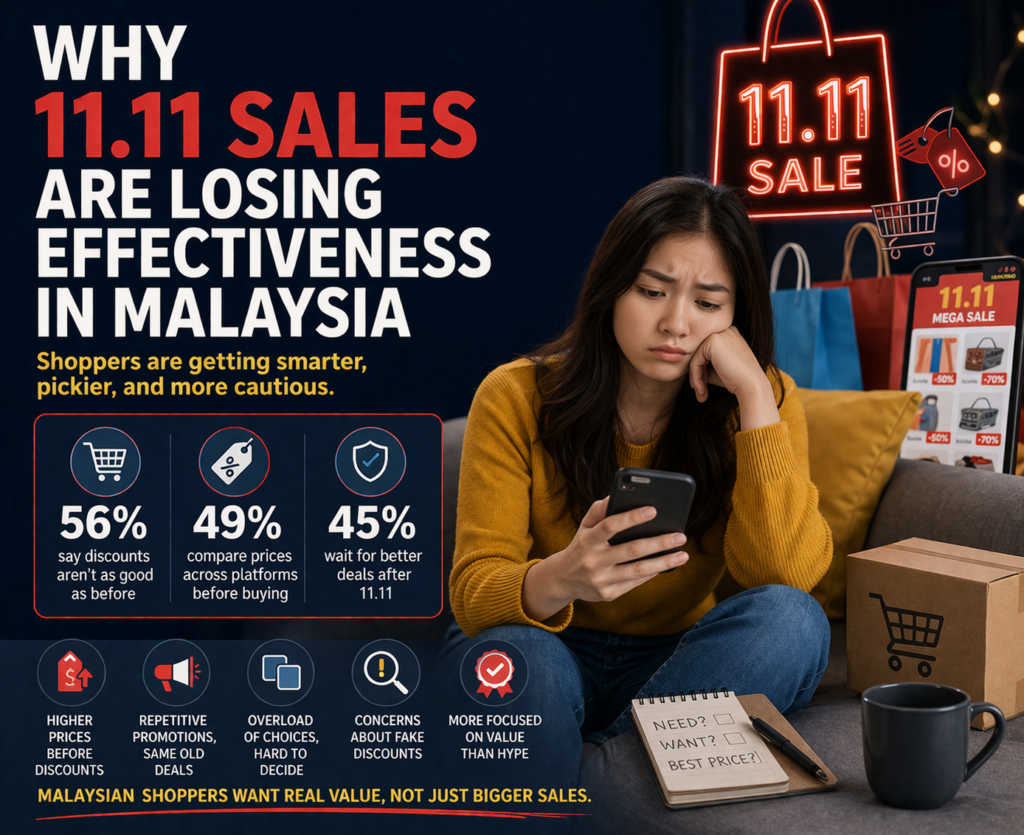
For many years, 11.11 has been positioned as one of the biggest retail moments in the calendar. It was expected to drive strong engagement, high spending, and a surge in online activity. Recent findings suggest that this assumption no longer holds in the same way. The role of 11.11 in Malaysia is changing, and businesses […]
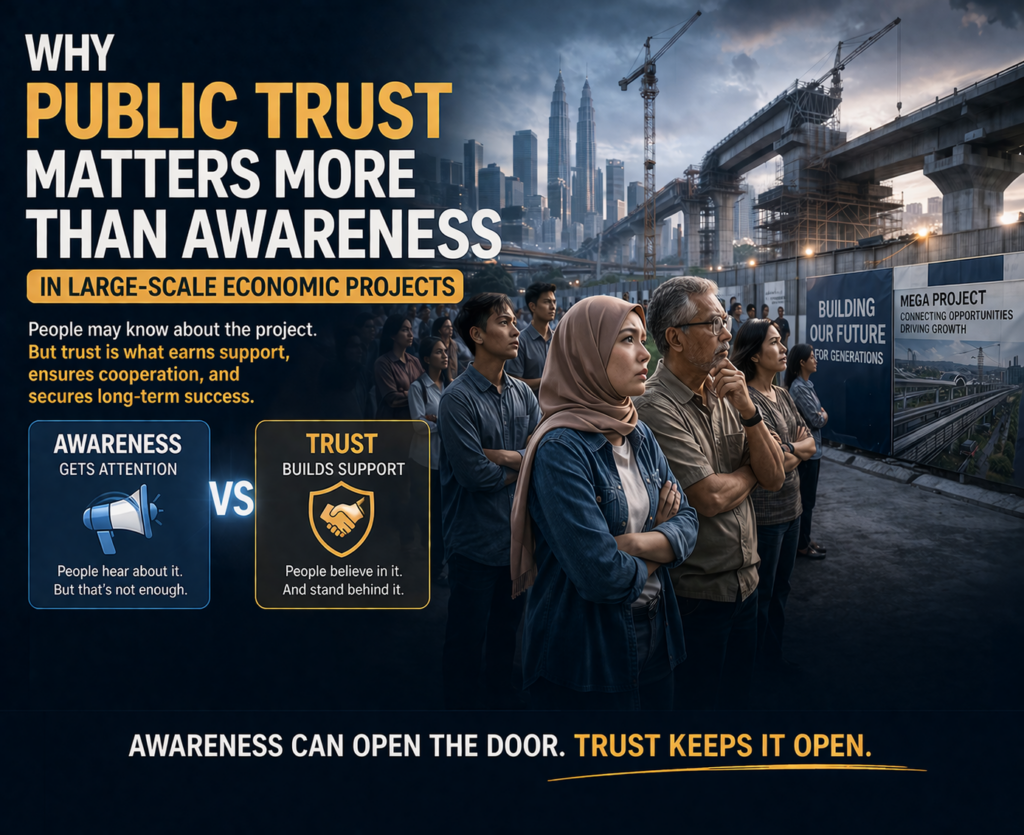
When it comes to large-scale economic initiatives, the common assumption is that awareness drives support. The belief is that if people understand the project, they will support it; if they do not, resistance will follow. However, recent findings from Central Force’s JSSEZ study suggest a different reality. Support can exist even when awareness is limited. […]
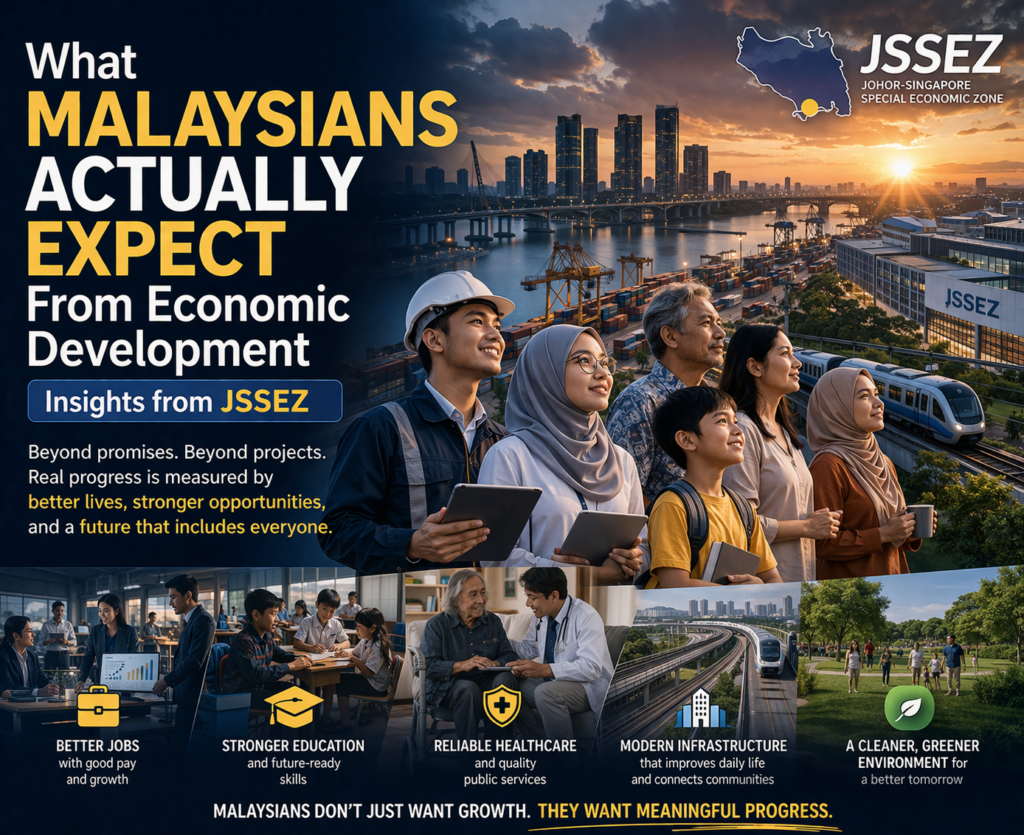
Economic development is often discussed at a policy level, focusing on investment figures, infrastructure plans, and long-term growth potential. But how these initiatives are received by the public is equally important. Recent findings from Central Force’s JSSEZ study show that while Malaysians, particularly Johoreans, are generally optimistic about development, their expectations are grounded in something […]
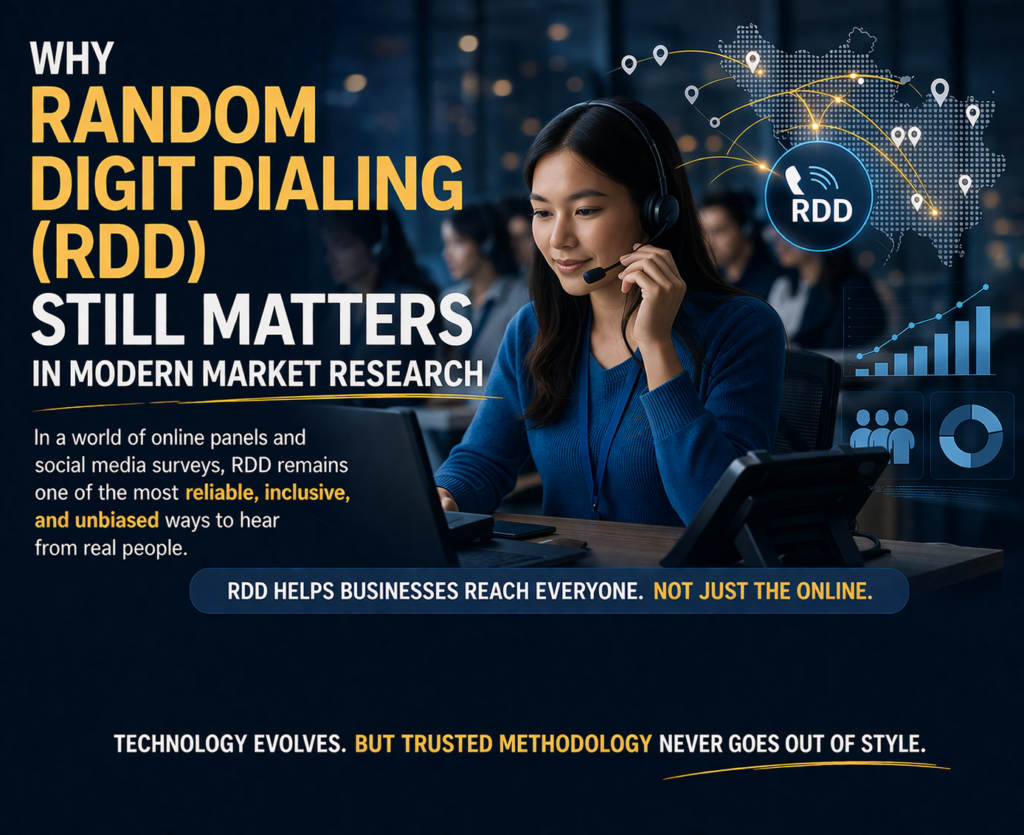
Why Random Digit Dialling (RDD) Still Matters in Modern Market Research With the rise of online panels and digital surveys, it is easy to assume that traditional methods are becoming obsolete. Random Digit Dialling (RDD), in particular, is often seen as outdated or inefficient. In practice, this assumption can be misleading. RDD continues to play […]
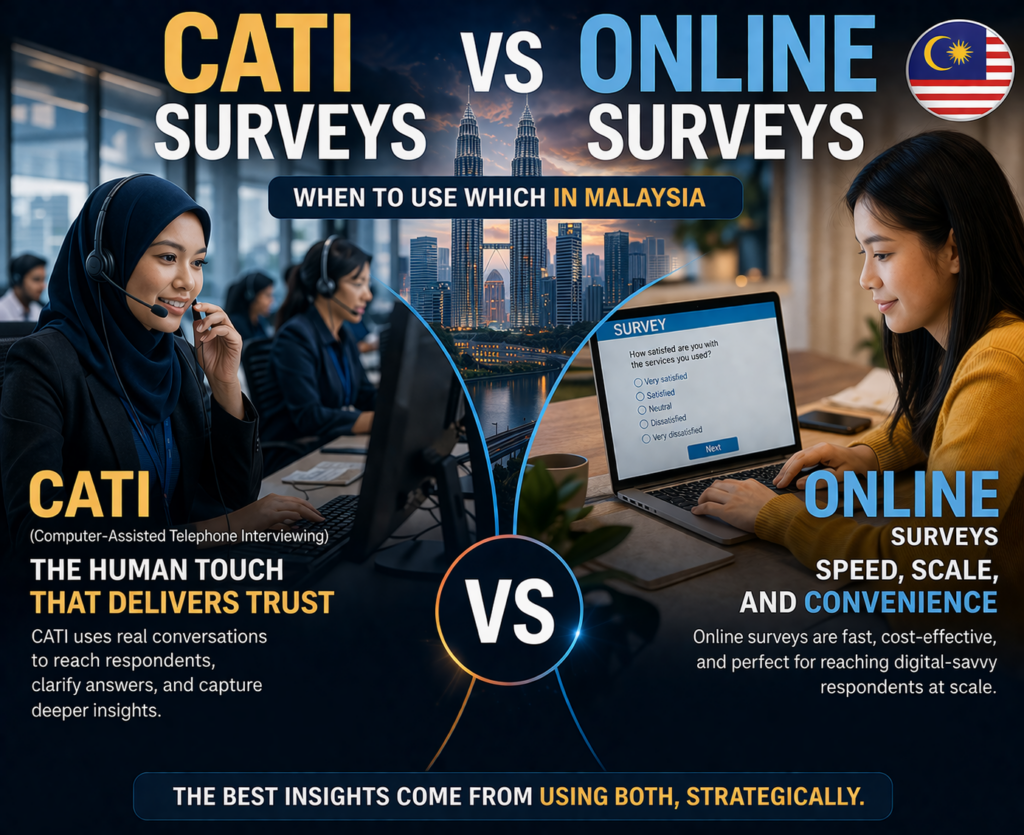
When planning a research project, one of the first methodological decisions is often framed as a simple choice: should we use telephone surveys (CATI) or online surveys? In practice, this is rarely a binary decision. Each method has its strengths, limitations, and ideal use cases. Choosing the wrong one does not just affect cost or […]
Online surveys have become one of the most widely used tools in market research. They are fast, scalable, and relatively cost-efficient. For many projects, they are the default starting point. However, treating online surveys as a one-size-fits-all solution can lead to blind spots. In Malaysia, where digital adoption is high but not uniform, understanding when […]
Taste Testing in Malaysia: How to Get Reliable Consumer Feedback That Actually Reflects Real Preferences Taste testing is one of the most widely used methods in FMCG research. It is often seen as straightforward: prepare samples, recruit participants, collect feedback, and compare results. In practice, it is far more sensitive than it appears. Small details […]
Focus group discussions are one of the most commonly used qualitative research methods[cite: 111]. They are often chosen because they allow researchers to hear directly from consumers, observe reactions in real time, and explore ideas in greater depth[cite: 112]. But not all focus groups deliver meaningful insights[cite: 113]. In many cases, what is captured are […]
Customer experience is often measured through surveys. Customers are asked how satisfied they are, whether they would recommend a brand, or how they felt about a recent interaction. While useful, these responses are still based on perception and memory. Mystery shopping takes a different approach. It measures what actually happens. By placing trained evaluators into […]